
Understanding Protein in the Urine

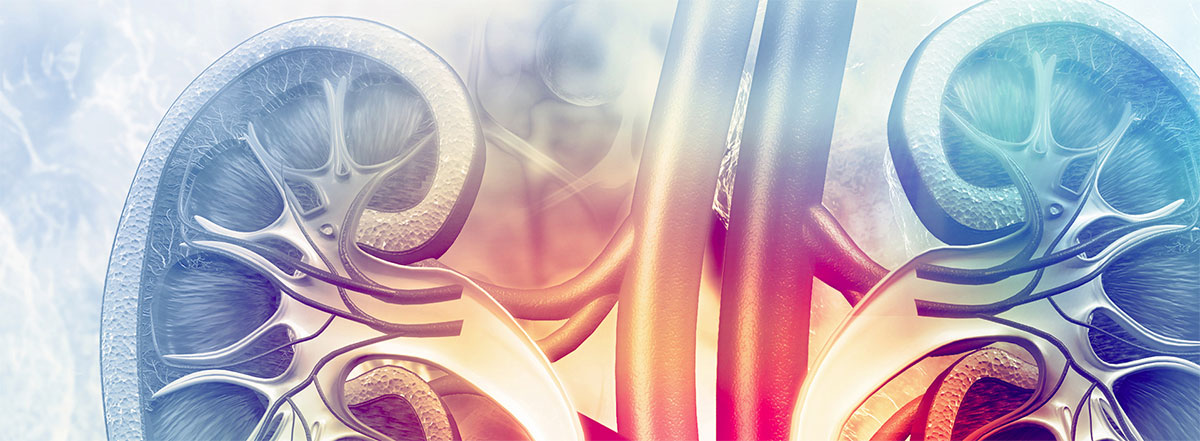
Your kidneys normally filter waste products, extra water and salts from your blood. Blood enters the kidneys through the renal arteries and flows through tiny filtering units called nephrons—each kidney has about a million. Each nephron includes a glomerulus, which filters blood and helps keep important proteins where they belong: in your bloodstream.
If your glomeruli are damaged, they may leak protein into the urine. There are other culprits as well, some of which are more serious than others. Normally, less than 150 mg of protein (about 3% of a teaspoon) is lost in urine each day. More than that is called proteinuria. And it should not be ignored.
Symptoms
Most people with mild proteinuria don’t notice any symptoms. If large amounts of protein are lost, swelling (edema) may occur—typically in the face, legs, or abdomen.
Types of Proteinuria
- Transient – Temporary and often caused by stressors like fever or intense exercise. It is the most common type of proteinuria and usually resolves on its own.
- Orthostatic – Unusual after the age of 30, protein in the urine occurs when you are in an upright position and disappears when lying down. It’s harmless and usually goes away with age.
- Persistent – Ongoing proteinuria may signal kidney disease or other health problems such as diabetes.
Diagnosing Proteinuria
- Urine tests (a dipstick or lab test) detect protein in urine. If protein is found, testing is often repeated to confirm.
- Microscopic examination of the urine can identify cells or other findings that point to kidney disease.
- Protein quantity is measured using either a spot urine sample or a full 24-hour urine collection.
- Blood tests assess for diseases that might cause proteinuria, while also measuring kidney function.
- Kidney biopsy may be needed if the cause is unclear or if there are signs of worsening kidney function.
Key Points
- Proteinuria means protein is leaking into the urine—this is not normal.
- Many people have no symptoms and discover it through routine urine testing.
- The cause can be temporary or due to an underlying condition.
- Treatment may involve medications or dietary changes, depending on the cause
- Regular monitoring and medical evaluation are essential to protect kidney health.
We understand how easy it is to hope that something just resolves on its own. And if you’re feeling okay, it’s tempting to forget about making an appointment with us to evaluate protein in your urine. But remember, even some of the most serious kidney conditions are treatable when caught early. Renal Specialists of Houston is committed to your kidney health and finding answers together.
When you subscribe to the blog, we will send you an e-mail when there are new updates on the site so you wouldn't miss them.

We have a multi-cultural group of physicians who believe in Dr. Barcenas'
principle of excellent, compassionate care for patients.